
 By Siam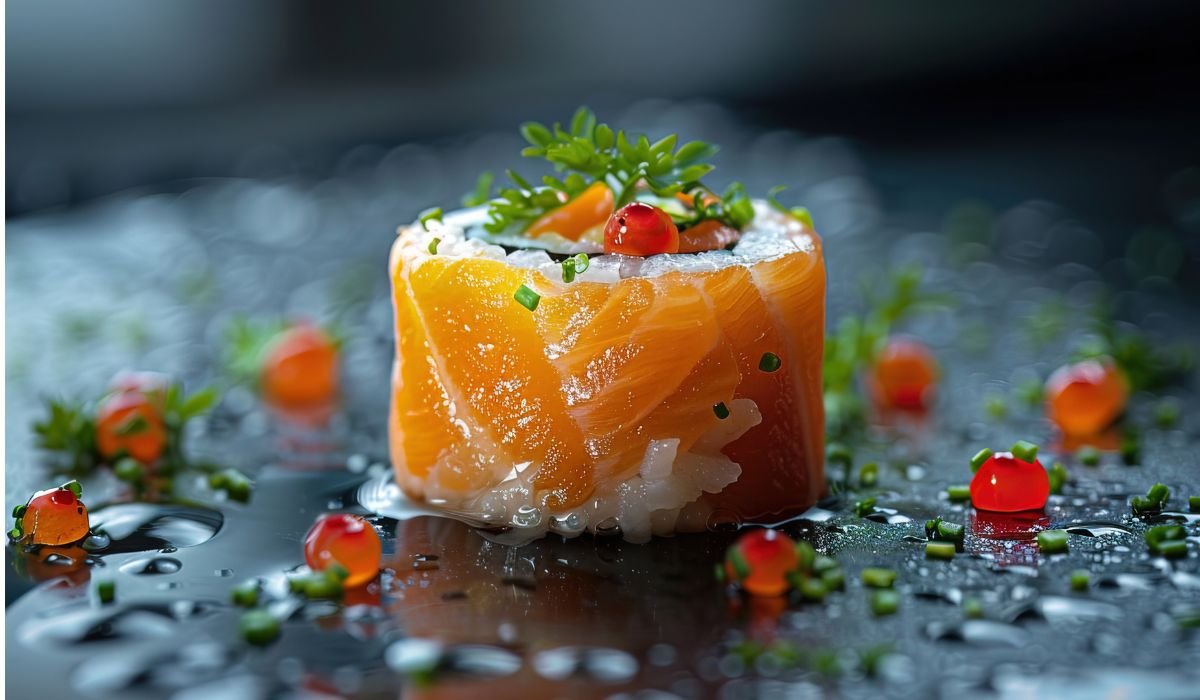
You stare at the menu. It’s a tapestry of unfamiliar Japanese terms, artistic descriptions, and prices that range from “reasonable” to “is that a typo?”. You want salmon. You know you love salmon. But sake nigiri, sake maki, sake aburi, sake temaki… what’s the difference? And more importantly, which one will deliver that transcendent, melt-in-your-mouth experience you’re secretly hoping for?
If this sounds familiar, you’re not alone. This very dilemma—the quest for the perfect piece of salmon sushi—has even been dissected in the pages of The New York Times. Ordering sushi, especially something as specific as a salmon wrapped sushi order NYT foodies might discuss, feels like speaking a secret language. It’s a ritual that balances personal preference with a deep respect for tradition.
Well, consider this your Rosetta Stone. Let’s pull up a chair at the virtual sushi bar and break down everything you need to know to order salmon sushi with the confidence of a seasoned regular.
First, let’s untangle the terminology. When we talk about “salmon wrapped sushi,” it’s a bit of a misnomer to the purist. Typically, the term “wrapped” refers to the nori (seaweed) that encases a roll (maki). But salmon is incredibly versatile. It can be the star inside the wrap, or it can be the wrap itself.
The intrigue of a salmon wrapped sushi order NYT critics might analyze often lies in this very versatility. It’s not just one thing. It’s a category. Here’s the breakdown:
- The Inside Job (The Filling): This is the most common scenario. Thinly sliced, beautiful orange salmon is placed over rice (nigiri), or rolled inside with rice and other ingredients (maki).
- The Outside Job (The Wrap): This is where it gets exciting. Here, a large, pliable slice of salmon replaces the nori as the outer layer of the roll. This is often called a salmon skin roll when using crispy skin, or simply a salmon-outside roll. It’s a richer, more decadent experience.
Understanding this distinction is your first step from novice to knowledgeable orderer.
You wouldn’t order a steak without specifying the cut, right? The same goes for salmon sushi. Each preparation offers a unique texture and flavor profile.
Let’s start with the foundations. This is where the quality of the fish truly shines, with nowhere to hide.
- Sake Nigiri: This is Sushi 101. A small, hand-pressed mound of vinegared rice (shari) topped with a pristine slice of raw salmon (net). The goal is harmony. You should taste the clean, buttery fat of the salmon and the slight tang of the rice in a single, perfect bite. Pro tip: It’s meant to be eaten upside down, so the fish touches your tongue first.
- Sake Sashimi: This isn’t technically sushi, as there’s no rice. It’s just the sliced fish, served alone. Order this if you really want to appreciate the unadulterated flavor and texture of the salmon itself. It’s the ultimate test of a sushi bar’s fish sourcing.
This is the heart of our “wrapped” discussion. Rolls are categorized by what’s on the outside.
- Nori-Maki (Seaweed Outside): The standard. Salmon, rice, and maybe some cucumber or avocado, all wrapped tightly in a sheet of nori and sliced into rounds. A simple salmon roll is a reliable, delicious choice.
- Uramaki (Inside-Out Roll): Here, the rice is on the outside of the nori, and the seaweed encases the fillings. These rolls are often coated in toppings like sesame seeds or roe. While not always traditional, they are hugely popular.
- Gunkan-maki (Battleship): A small, oval-shaped nigiri that’s wrapped with a strip of nori to form a cup-like vessel. This is perfect for holding loose ingredients like salmon roe (ikura), which bursts with briny, umami flavor.
Now for the main event—when salmon takes on the structural role.
- Salmon Skin Roll: A genius creation. The salmon skin is crisped to perfection and used as the outer wrap for a roll, which is typically filled with cucumber, scallion, and sometimes a touch of cream cheese. It offers an incredible contrast of crispy, fatty skin and cool, fresh interior.
- Salmon Outside Roll: Instead of crispy skin, this uses a large, thin slice of raw salmon to wrap the entire roll. It’s visually stunning and intensely salmon-forward. You’ll often see this paired with delicate fillings like asparagus, shiso leaf, or a whisper of lemon to complement, not compete.
Walking into a sushi restaurant shouldn’t induce anxiety. It should be exciting. Here’s how to navigate your order.
1. Assess the Establishment.
Is this a high-end omakase bar or a neighborhood spot with a 20-page menu? The former focuses on the chef’s expertise; the latter gives you the freedom to experiment. Tailor your order accordingly.
2. Start Simple.
Begin with a classic sake nigiri or sashimi. This is your baseline. It tells you about the quality of the fish. Is it fresh? Is it well-cut? This intel will inform the rest of your order.
3. Build Complexity.
Move on to a more complex roll. If you loved the salmon, try a salmon wrapped sushi order NYT readers would envy—perhaps a salmon-outside roll. If the skin was served crispy on the side of your nigiri, definitely order the salmon skin roll.
4. Don’t Be Afraid to Ask.
The sushi chef (Itamae) is the expert. It’s perfectly acceptable to ask, “What’s salmon like today?” or “Do you have any special salmon preparations?” This shows respect and can lead you to off-menu delights.
Read also: The Tortellinatrice: Your Secret Weapon for Perfect Homemade Pasta
| Feature | Nigiri / Sashimi | Classic Maki Roll | Salmon-Outside Roll |
| Focus | Purity of the fish | Harmony of flavors & texture | Decadence, richness of salmon |
| Rice | Yes (for nigiri) | Yes | Yes |
| Nori (Seaweed) | No | Yes (as wrap) | No (replaced by salmon) |
| Best For | Purists, tasting quality | A balanced, familiar bite | A luxurious, salmon-centric experience |
| Price Point | $$-$$$ | $-$$ | $$-$$$ |
Ordering is one thing; enjoying it properly is another. A few quick, non-pretentious tips:
- Chopsticks vs. Fingers: It is 100% acceptable to eat nigiri with your hands. In fact, many traditionalists prefer it.
- The Soy Sauce Dip: Don’t drown your sushi. For nigiri, dip the fish side—not the rice—lightly into the soy sauce. This prevents the rice from absorbing too much liquid and falling apart.
- The Ginger (Gari): That pink pickled ginger is a palate cleanser. Eat it between different types of sushi, not as a topping on the same bite.
- Wasabi: The chef likely already put the appropriate amount of wasabi between the rice and fish. Trust them. Adding a huge glob to your soy sauce is a surefire way to overwhelm the delicate flavors you’re paying for.
Q1: What is salmon sushi actually called?
In Japanese, salmon sushi is called Sake (pronounced sah-keh). Be careful not to confuse it with the rice wine! The context makes it clear.
Q2: Is it safe to eat raw salmon in sushi?
At reputable sushi restaurants, absolutely. They use sushi-grade salmon, which has been flash-frozen to temperatures well below what a home freezer can achieve. This process kills any potential parasites, making it completely safe for raw consumption.
Q3: What’s the difference between Atlantic and Pacific salmon for sushi?
Pacific salmon (like King/Chinook, Sockeye) is often prized for its richer, more robust flavor and higher fat content, making it ideal for sushi. Atlantic salmon is widely farmed and has a consistently mild, buttery taste. Both are excellent; it’s a matter of personal preference.
Q4: Why is my salmon sushi sometimes slightly seared?
This technique is called aburi. The chef briefly torches the top of the fish. This gently renders the fat, intensifies the flavor, and adds a warm, smoky contrast to the cool, raw interior. It’s fantastic.
Q5: What does the New York Times have to do with sushi?
Publications like the NYT often feature articles on dining trends, how-to order guides, and reviews of iconic NYC sushi bars. A salmon wrapped sushi order NYT style simply refers to ordering with the informed, discerning approach that such a publication embodies.
Q6: What is the orange, bubbly roe that sometimes comes with salmon?
That’s ikura, which are large, individual salmon eggs. They have a distinct pop and a powerful, salty, umami flavor. They’re a delicacy.
Q7: Should I tip the sushi chef directly if I’m sitting at the bar?
If a specific chef is serving you directly and providing an exceptional experience, it is a thoughtful and appreciated gesture to offer them a tip directly, in addition to the general tip on your bill. A little respect goes a long way.
Ordering salmon sushi shouldn’t be a cryptic puzzle. It’s a personal journey of taste. Forget the anxiety and embrace the exploration. Start with the pure, simple elegance of sashimi to understand your canvas. Then, dive into the textured world of rolls—whether wrapped in nori or, for the ultimate experience, wrapped in the rich, silky embrace of salmon itself.
The next time you’re handed a menu, you’ll see it not as a list of confusing words, but as a map of possibilities. You’ll know exactly how to craft that perfect, personalized salmon wrapped sushi order NYT critics would nod approvingly at. So, what’s your first move going to be?
You may also like: The Byadi Fig: Your Guide to This Sweet, Sun-Drenched Treasure